Benalla (BLA)
Positions
| Name | ID | Callsign | Frequency | Login ID |
|---|---|---|---|---|
| Benalla | BLA | Melbourne Centre | 132.200 | ML-BLA_CTR |
| Eildon Weir | ELW | Melbourne Centre | 123.750 | ML-ELW_CTR |
Non-Standard Positions
Non-standard positions may only be used in accordance with VATPAC Air Traffic Services Policy.
Approval must be sought from the bolded parent position prior to opening a Non-Standard Position, unless NOTAMs indicate otherwise (eg, for events).
Airspace
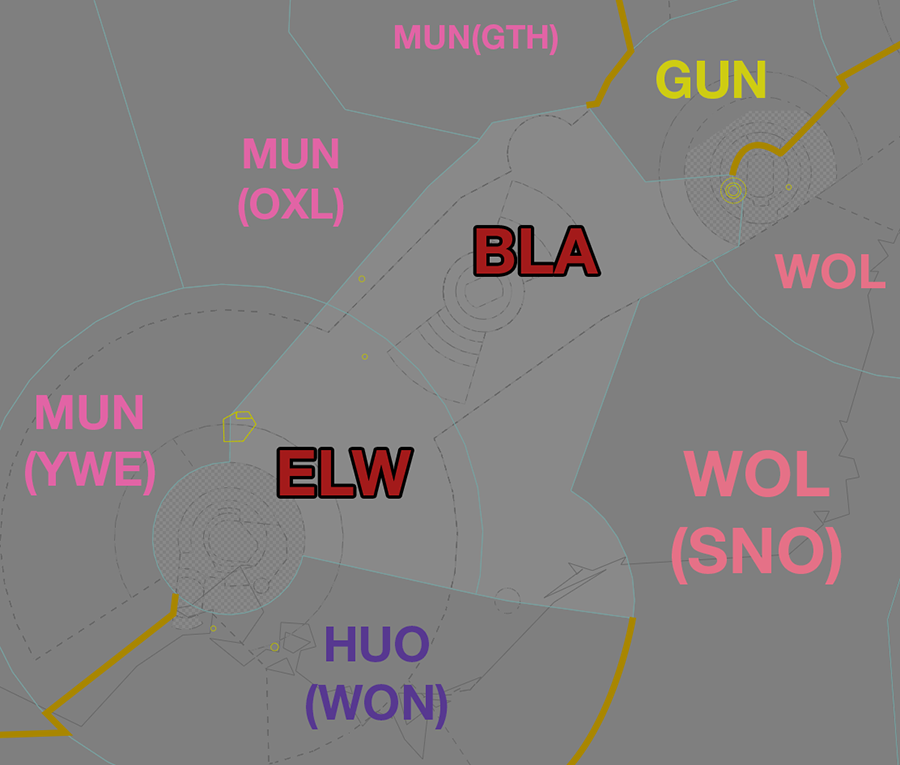
Reclassifications
When AY ADC is offline, AY CTR (Class D and C SFC to A085) reverts to Class G, and is administered by BLA. Alternatively, BLA may provide a top-down procedural service if they wish.
Tip
If choosing not to provide a top down service, consider publishing a pre-formatted ATIS Zulu for the aerodrome, to inform pilots about the airspace reclassification.
When CB TCU is offline, CB TCU (Class C SFC to A085) reverts to Class G, and is administered by WOL.
Note
BLA does not assume the CB TCU in the absence of a CB TCU controller. Assumption of the CB TCU is the responsibility of WOL. Controllers may choose to verbally coordinate the release of the CB TCU to either sector/subsector.
The restricted airspace around YMES is classified as Class G by default, and is only reclassified as controlled airspace when ESA is online. When ESA is offline, the area remains Class G, and is administered by BLA and HUO(WON).
Note
BLA does not assume the ES TCU in the absence of ESA. Assumption of the ES TCU is the responsibility of HUO(WON). Controllers may choose to verbally coordinate the release of the ES TCU to either sector/subsector.
Departure and Arrival Procedures
YMAV
STAR Assignment
The following subsectors are responsible for issuing STAR clearance.
| Subsector | STAR | Type | Notes |
|---|---|---|---|
| BLA | JAYBI, ML Trans | Jet | Descent not below F250 |
| ELW | JAYBI, ML Trans | Non-Jet |
Arrivals from the northeast shall be given initial descent to not below F250. ELW will issue final descent.
Sequencing
Sequencing arrivals from the northeast into YMAV is a joint responsibility of BLA and ELW. Initial sequencing actions for aircraft from the north should be performed by BLA, with fine tuning and any holding required issued by ELW.
YMAY
STAR Assignment
The following subsectors are responsible for issuing STAR clearance.
| Subsector | STAR | Type | Notes |
|---|---|---|---|
| BLA | ARRAN VEGRU |
All |
Sequencing
All sequencing is performed by BLA.
YMEN
Sequencing
All sequencing, including ascertaining arrival intentions, is performed by ELW.
YMES
Sequencing
BLA and ELW share responsibility for sequencing arrivals to YMES from the north.
YMML
STAR Assignment
The following subsectors are responsible for issuing STAR clearance.
| Subsector | STAR | Type | Notes |
|---|---|---|---|
| BLA | BOOIN | Jet | Descent not below F250 |
| ELW | BOYSE | Non-Jet |
Arrivals from the northeast shall be given initial descent to not below F250. ELW will issue final descent.
Sequencing
Sequencing arrivals from the northeast into YMML is a joint responsibility of BLA and ELW. Initial sequencing actions for aircraft from the north should be performed by BLA, with fine tuning and any holding required issued by ELW.
Adjacent Feeder Fixes
Aircraft assigned the same runway inbound via BOOIN and BOYSE, must be considered to be on the same STAR for sequencing purposes. That is, they must be at least 2 minutes apart at their respective Feeder fixes.
Predictable Sequencing Waypoints
There are four Predictable Sequencing waypoints available for aircraft inbound YMML via Q29, located south of the airway.
The table below contains the estimated time from the initial waypoint to the final waypoint via the CDO waypoint.
| Initial Waypoint | CDO Waypoint | Final Waypoint | Delay (in mins) |
|---|---|---|---|
| ANLID | DOVEX | BULLA | 2 |
| ANLID | TOPUL | BULLA | 4 |
| ANLID | UNSIG | BULLA | 6 |
| ANLID | NILEV | BULLA | 8 |
Holding Fixes
Refer to the vatSys Enroute Holds map for details of published holds on the airways inbound to YMML. Where delays necessitate holding, aircraft should be instructed to hold at the following positions. The listed time should be subtracted from an aircraft's assigned feeder fix time to determine when they should leave the hold.
| Feeder Fix | Holding Fix | Time from Hold to Feeder Fix |
|---|---|---|
| BOOIN | LUVAS | 3 min |
| BOYSE | TEMIS | 2 min |
Tip
Additional holding may be performed at upstream holding fixes to reduce controller workload. This is particularly useful when non-standard child sectors have been opened, allowing aircraft to absorb some of their delay in the previous sector.
LAHSO
Important
Due to its operational complexity, LAHSO must be authorised by a senior VATPAC staff member or a nominated event coordinator.
In accordance with the authorisation requirements above, YMML may utilise LAHSO during exceptionally busy events. Detailed procedures exist to ensure that controllers are aware of their responsibilities when performing LAHSO. See Controller Skills for more information.
YSCB
STAR Assignment
The following subsectors are responsible for issuing STAR clearance.
| Subsector | STAR | Type | Notes |
|---|---|---|---|
| BLA | MANDA (RWY 17) POLLI (RWY 35) |
All |
POLLI Transitions
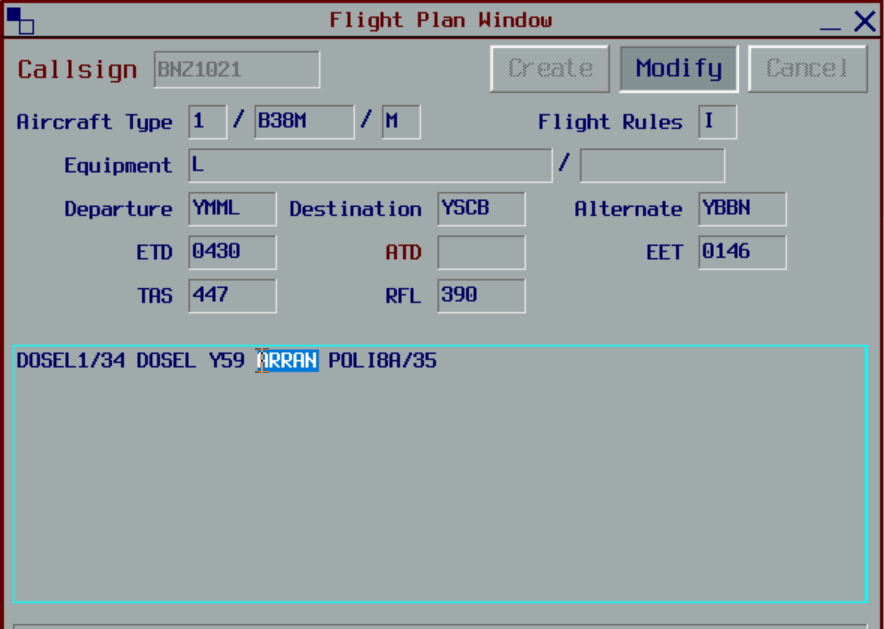
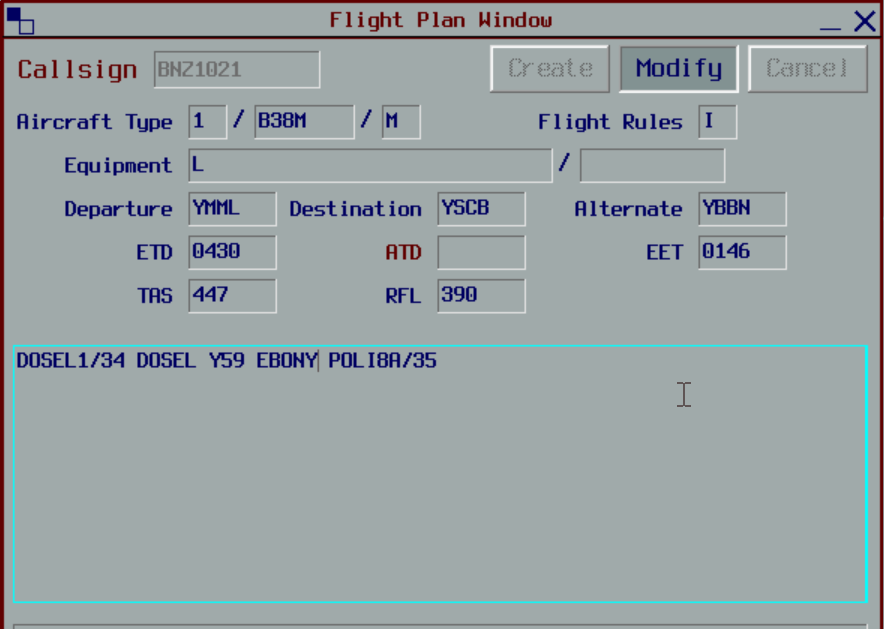
When Runway 35 is in use at YSCB, by default, vatSys will select the POLLI STAR with the ARRAN transition. Aircraft that have planned via EBONY and ARRAN (ie, aircraft on the Y59 airway) need to be assigned the POLLI STAR with the EBONY transition. This can be manually overridden in the aircraft's flight plan as shown below:
Sequencing
Sequencing arrivals from the southwest into YSCB is a responsibility of BLA.
Holding Fixes
Refer to the vatSys Enroute Holds map for details of published holds on the airways inbound to YSCB. Where delays necessitate holding, aircraft should be instructed to hold at the following positions. The listed time should be subtracted from an aircraft's assigned feeder fix time to determine when they should leave the hold.
| Feeder Fix | Holding Fix | Time from Hold to Feeder Fix |
|---|---|---|
| MANDA | NONUP | Jets: 3 min Non-Jets: 4 min |
| Others | Feeder Fix | - |
Local Procedures
Special Use Airspace
There are volumes of SUA within BLA airspace, associated with military operations in and out of YMES and Puckapunyal (YPKL).
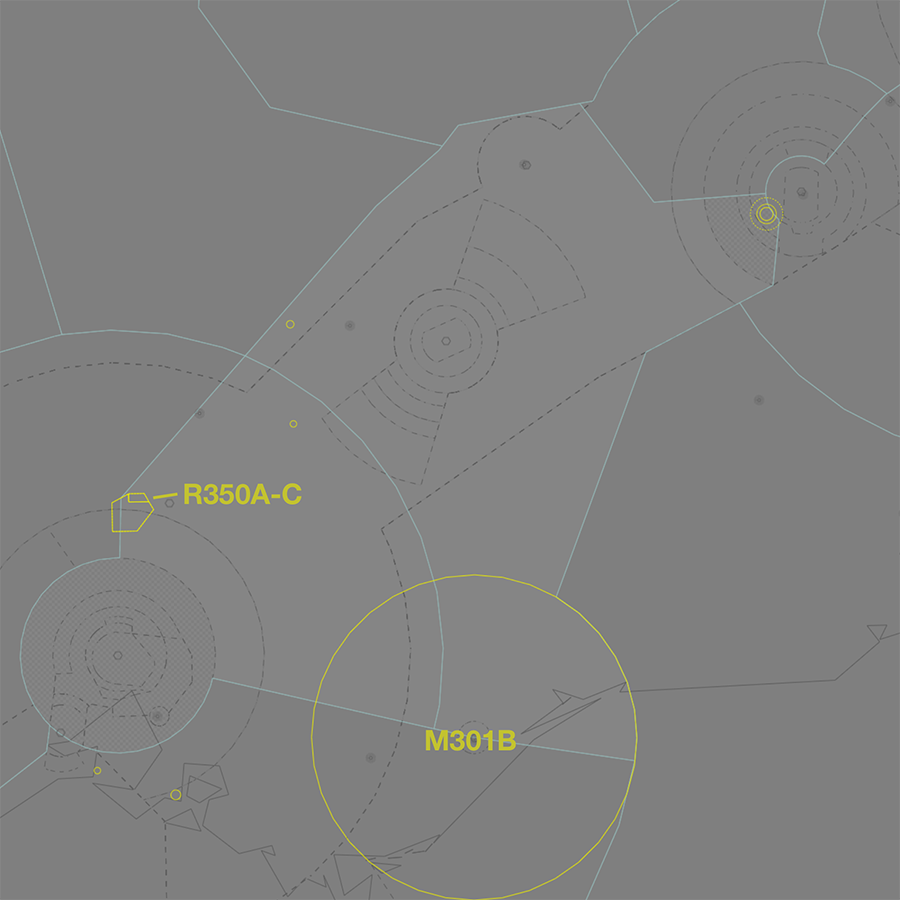
ES TCU must give heads up coordination with the relevant enroute controllers prior to any departures intending to operate in a currently inactive SUA.
Phraseology
ESA -> BLA: "On the groud YMES, HRTG11, requests activation of M301B F210-F450, from 0300 until 0500. My onwards with HUO”
BLA -> ESA: "HRTG11, expect activation of R225D A095-F600 at 0300 until 0500, your onwards with HUO."
ESA -> BLA: "HRTG11."
Non-participating aircraft intending to transit an activated SUA should be rerouted, where possible, subject to the VATSIM Code of Conduct.
M301B East Sale
The M301B East Sale MOA is centred over YMES, F210-F450, directly above M301A. Activation of the M301B MOA is a shared responsibility, and HUO(WON), ELW and BLA must coordinate before activation.
Affected Civil Operations
Activation of the MOA signficantly reduces airspace available for YMML sequencing actions, and disrupts traffic tracking via the UNSIG and NILEV predictable sequencing waypoints
Tip
During times of high traffic levels, such as Milk Run Monday, activation of the MOA should not be permitted.
R350A-C Puckapunyal
The R350A-C Puckapunyal restricted areas is a series of defined airspace volumes north of YMML, SFC-F230.
The area is used for a wide array of military training operations. The extent of activation required will vary according to each operation, but will generally include R350A and R350B.
STAR Clearance Expectation
Handoff
Aircraft being transferred to the following sectors shall be told to Expect STAR Clearance on handoff:
| Transferring Sector | Receiving Sector | ADES | Notes |
|---|---|---|---|
| BLA | GUN | YSSY | |
| ELW | BLA | YSCB | |
| BLA | ELW | YMML | Non-Jets only |
Tip
To help facilitate sequencing, BLA should aim to handoff aircraft to GUN as soon as possible, ie, >50nm to the boundary if there are no restrictions.
Terminal Handover Frequencies
Aircraft being transferred from enroute to a TCU with multiple frequencies shall be given the frequency for the revelant TCU position.
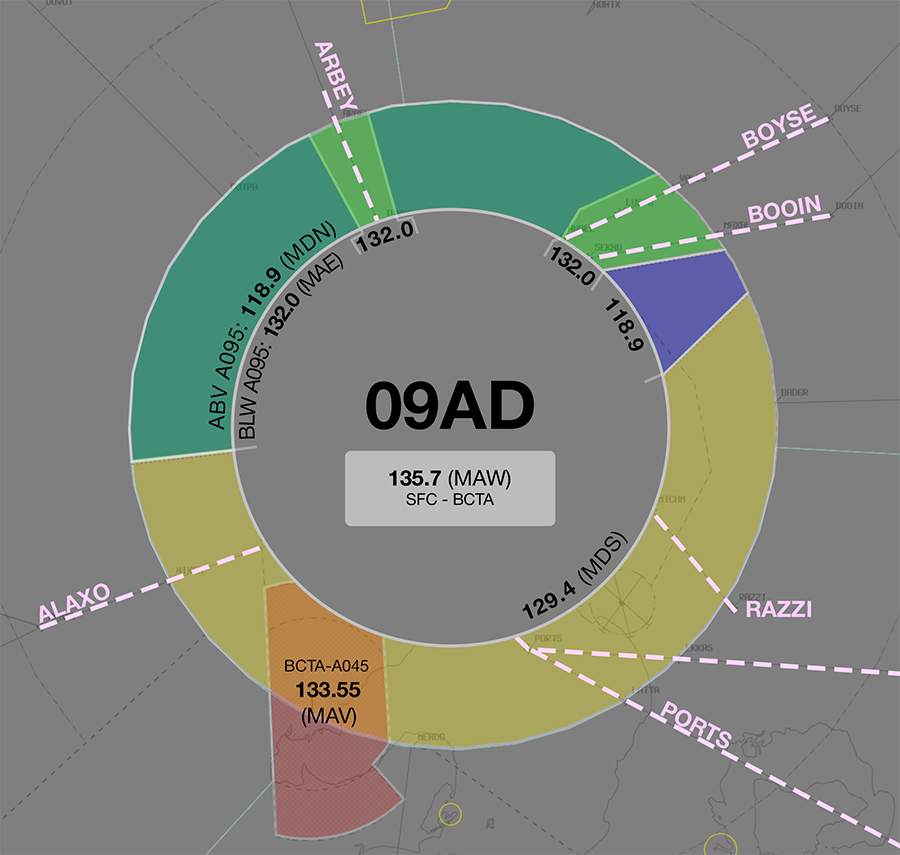
| ADES | STAR | Frequency (Controller) |
|---|---|---|
| YMML | ALAXO | 129.400 (MDS) |
| YMML | ARBEY | 132.000 (MAE) |
| YMML | BOOIN | 132.000 (MAE) |
| YMML | BOYSE | 132.000 (MAE) |
| YMML | PORTS | 129.400 (MDS) |
| YMML | RAZZI | 129.400 (MDS) |
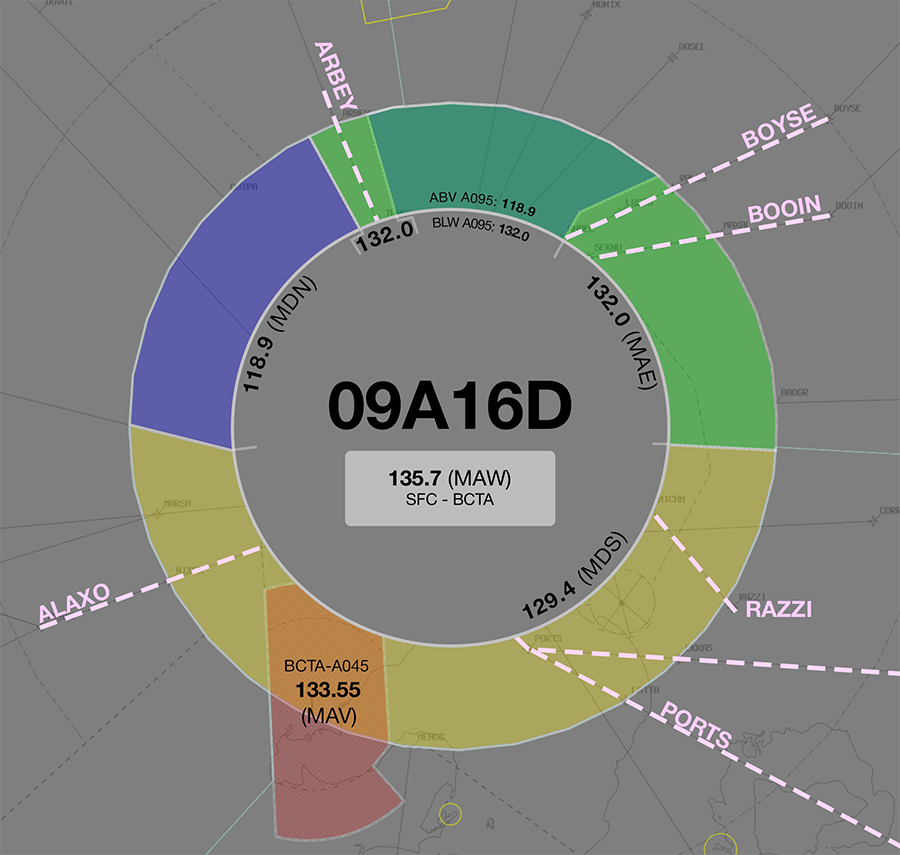
| ADES | STAR | Frequency (Controller) |
|---|---|---|
| YMML | ALAXO | 129.400 (MDS) |
| YMML | ARBEY | 132.000 (MAE) |
| YMML | BOOIN | 132.000 (MAE) |
| YMML | BOYSE | 132.000 (MAE) |
| YMML | PORTS | 129.400 (MDS) |
| YMML | RAZZI | 129.400 (MDS) |
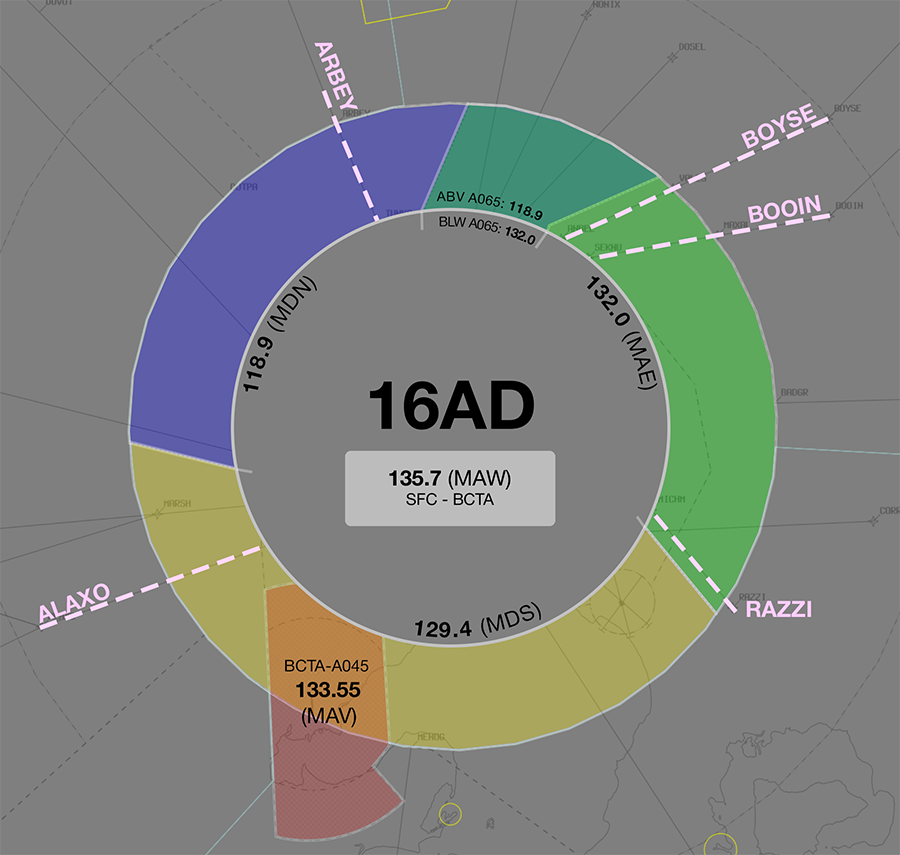
| ADES | STAR | Frequency (Controller) |
|---|---|---|
| YMML | ALAXO | 129.400 (MDS) |
| YMML | ARBEY | 118.900 (MDN) |
| YMML | BOOIN | 132.000 (MAE) |
| YMML | BOYSE | 132.000 (MAE) |
| YMML | RAZZI | 132.000 (MAE) |
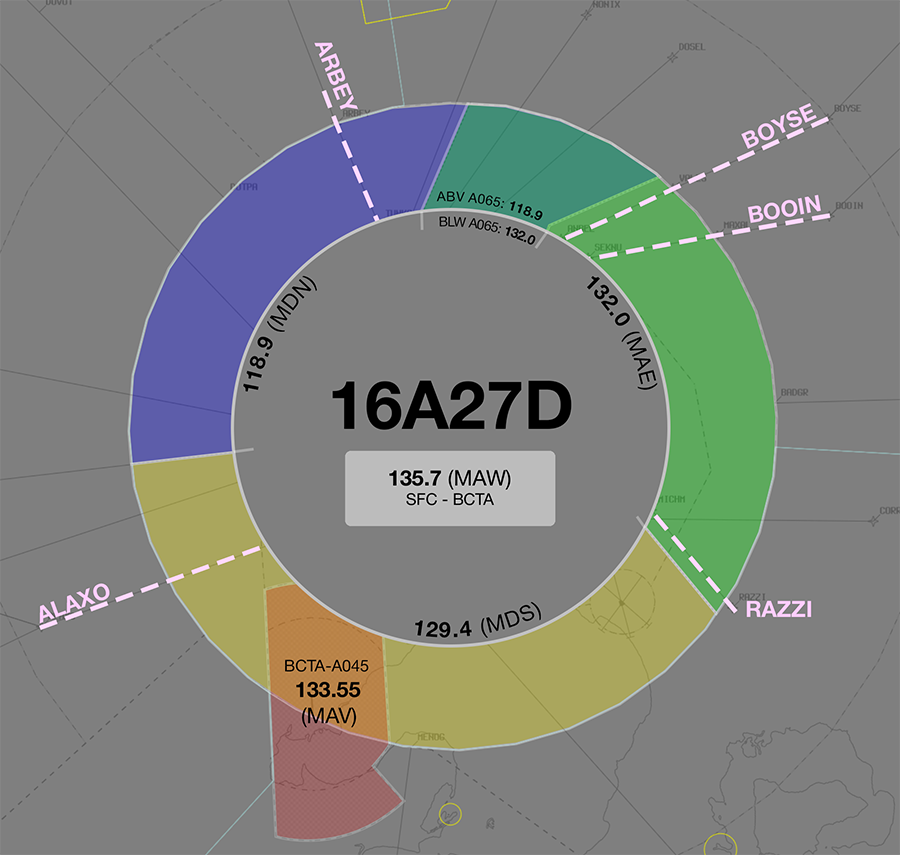
| ADES | STAR | Frequency (Controller) |
|---|---|---|
| YMML | ALAXO | 129.400 (MDS) |
| YMML | ARBEY | 118.900 (MDN) |
| YMML | BOOIN | 132.000 (MAE) |
| YMML | BOYSE | 132.000 (MAE) |
| YMML | RAZZI | 132.000 (MAE) |
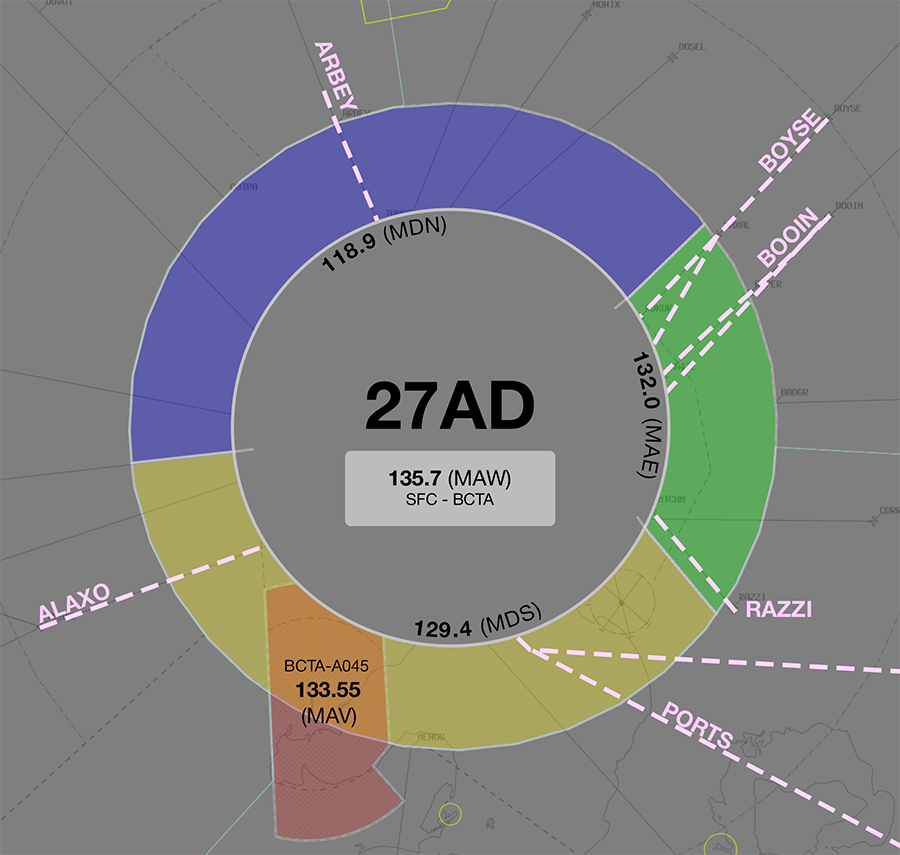
| ADES | STAR | Frequency (Controller) |
|---|---|---|
| YMML | ALAXO | 129.400 (MDS) |
| YMML | ARBEY | 118.900 (MDN) |
| YMML | BOOIN | 132.000 (MAE) |
| YMML | BOYSE | 132.000 (MAE) |
| YMML | RAZZI | 132.000 (MAE) |
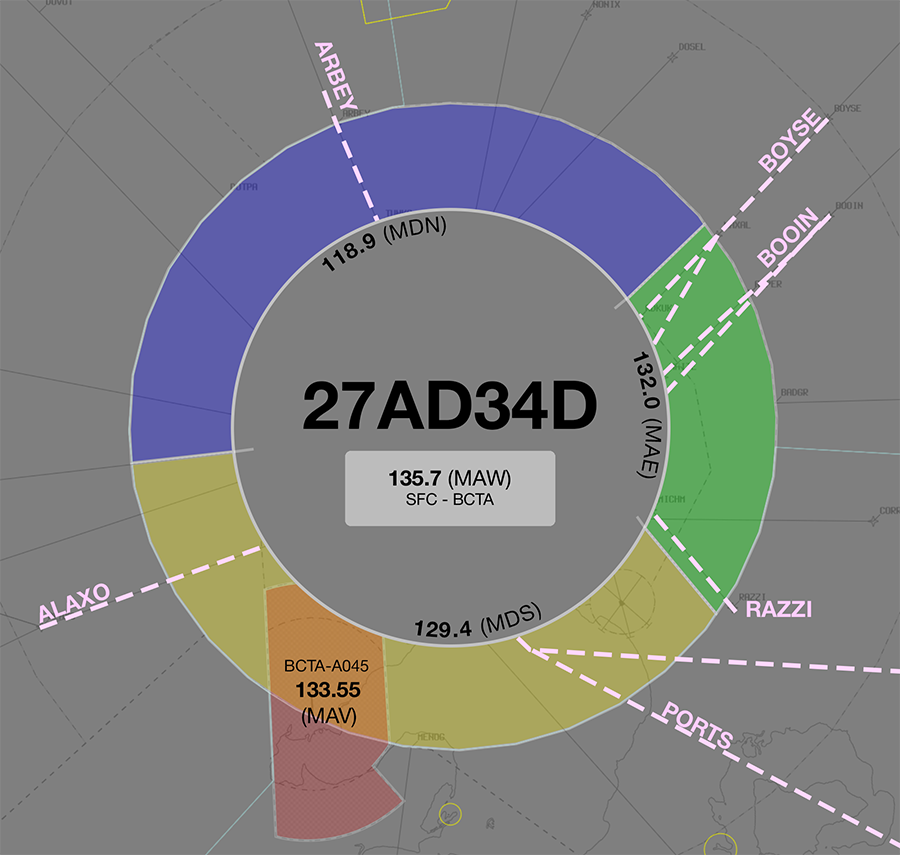
| ADES | STAR | Frequency (Controller) |
|---|---|---|
| YMML | ALAXO | 129.400 (MDS) |
| YMML | ARBEY | 118.900 (MDN) |
| YMML | BOOIN | 132.000 (MAE) |
| YMML | BOYSE | 132.000 (MAE) |
| YMML | RAZZI | 132.000 (MAE) |
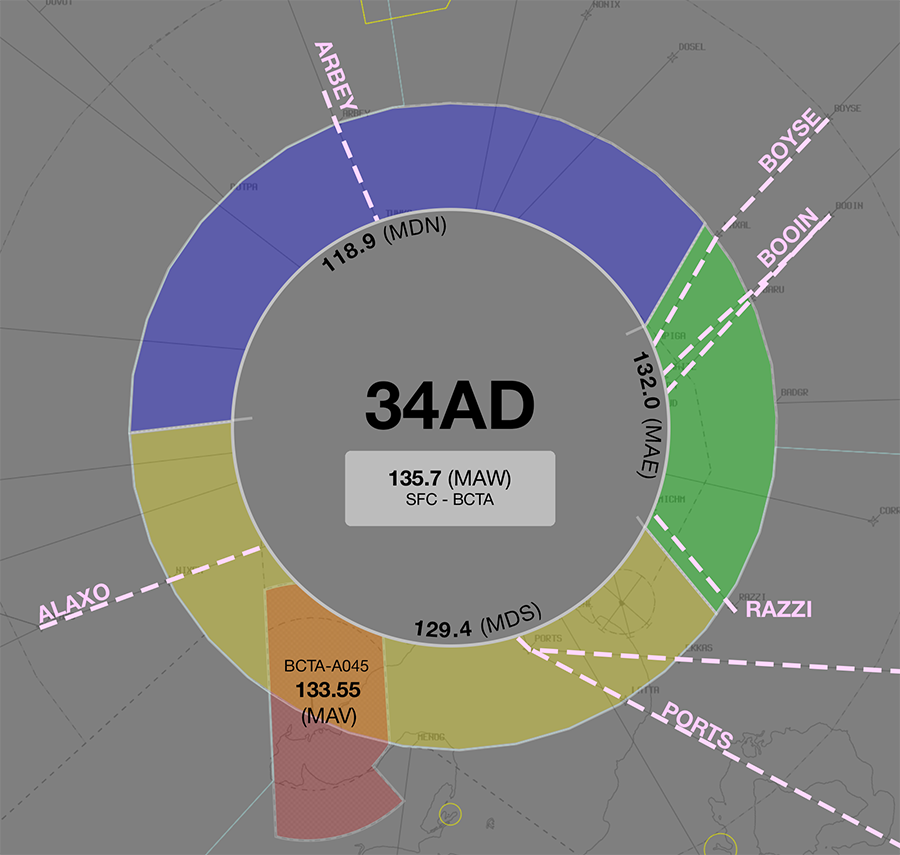
| ADES | STAR | Frequency (Controller) |
|---|---|---|
| YMML | ALAXO | 129.400 (MDS) |
| YMML | ARBEY | 118.900 (MDN) |
| YMML | BOOIN | 132.000 (MAE) |
| YMML | BOYSE | 132.000 (MAE) |
| YMML | PORTS | 129.400 (MDS) |
| YMML | RAZZI | 132.000 (MAE) |
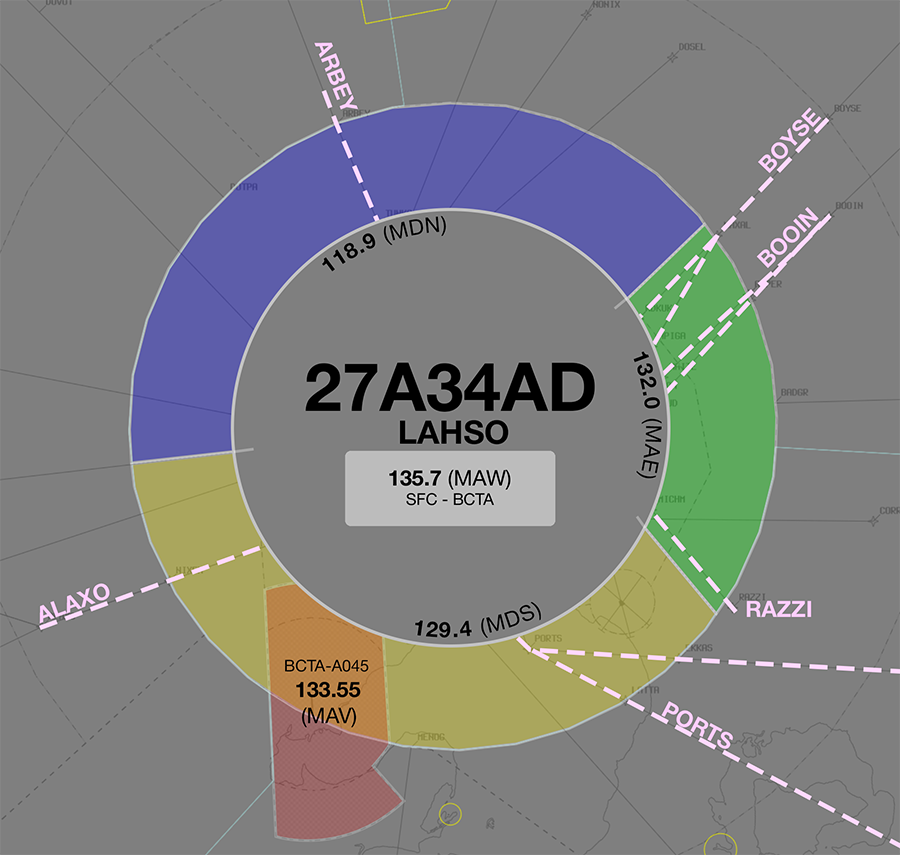
| ADES | STAR | Frequency (Controller) |
|---|---|---|
| YMML | ALAXO | 129.400 (MDS) |
| YMML | ARBEY | 118.900 (MDN) |
| YMML | BOOIN | 132.000 (MAE) |
| YMML | BOYSE | 132.000 (MAE) |
| YMML | PORTS | 129.400 (MDS) |
| YMML | RAZZI | 132.000 (MAE) |
Tip
The quick reference tables above only include scenarios for which there is voiceless coordination. Refer to the diagram for the appropriate position/frequency for coordination and handoff for all other situations.
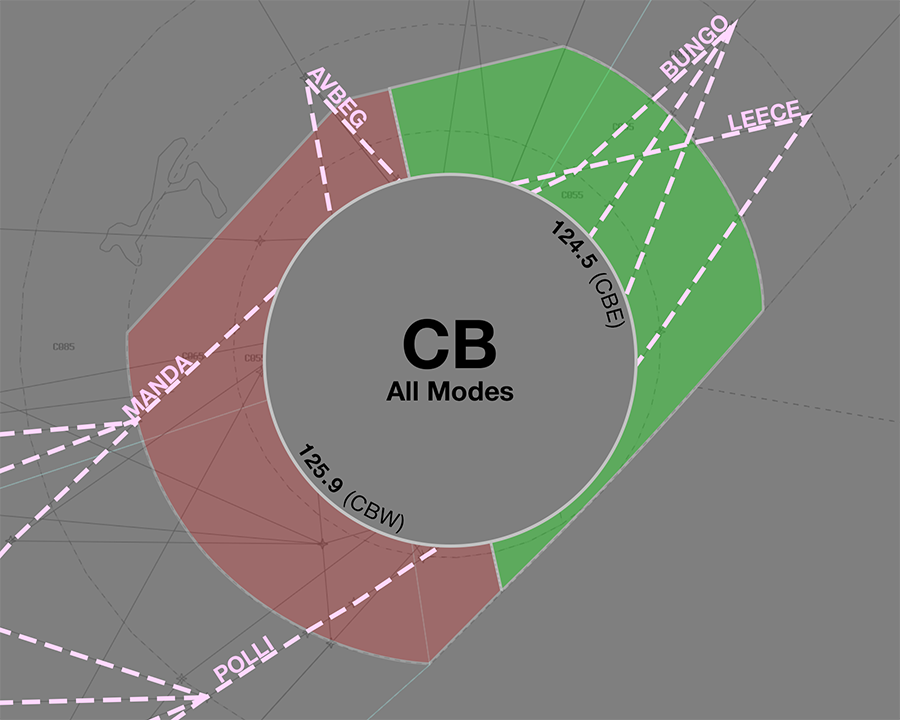
| STAR | Frequency (Controller) |
|---|---|
| AVBEG | 125.900 (CBW) |
| BUNGO | 124.500 (CBE) |
| LEECE | 124.500 (CBE) |
| MANDA | 125.900 (CBW) |
| POLLI | 125.900 (CBW) |
Tip
The quick reference tables above only include scenarios for which there is voiceless coordination. Refer to the diagram for the appropriate position/frequency for coordination and handoff for all other situations.
Coordination
CB TCU
Airspace
The Vertical limits of the CB TCU are SFC to F245.
Refer to Canberra TCU Airspace Division for information on airspace divisions when CBW is online.
Refer to Reclassifications for operations when CB TCU is offline.
Arrivals/Overfliers
Voiceless for all aircraft:
- With ADES YSCB; and
- Assigned a STAR; and
- Assigned
F130
All other aircraft coming from BLA CTA must be Heads-up Coordinated to CB TCU prior to 20nm from the boundary.
Note
These coordination requirements apply to aircraft entering the CB TCU, even if the airspace is owned by WOL
Departures
Voiceless for all aircraft:
- Tracking via a Procedural SID terminus; and
- Assigned the lower of
F240or theRFL
All other aircraft going to BLA CTA will be Heads-up Coordinated by CB TCU.
ML TCU
Airspace
The Vertical limits of the ML TCU are SFC to F245.
Refer to Melbourne TCU Airspace Division for information on airspace divisions when MDN and/or MDS are online.
Arrivals/Overfliers
Voiceless for all aircraft:
- With ADES YMML; and
- Assigned a STAR; and
- Assigned
A090
All other aircraft coming from ELW CTA must be Heads-up Coordinated to ML TCU prior to 20nm from the boundary.
Departures
Voiceless for all aircraft:
- Tracking via MNG, NONIX, or DOSEL; and
- Assigned the lower of
F240or theRFL
All other aircraft going to ELW CTA will be Heads-up Coordinated by ML TCU.
Enroute
As per Standard coordination procedures, Voiceless, no changes to route or CFL within 50nm to boundary.
That being said, it is advised that BLA give Heads-up Coordination prior to 50nm from the boundary in the following scenarios:
- BLA to GUN for aircraft not on the Y59 or W817 airway*
- ELW to MUN(YWE) and HUO(WON) for all aircraft
- BLA to MUN(OXL/GTH) and WOL for all aircraft
BLA Internal
As per Standard coordination procedures, Voiceless, no changes to route or CFL within 20nm (reduced from 50nm) to boundary.
That being said, it is advised that ELW/BLA give Heads-up Coordination prior to 20nm from the boundary in the following scenarios:
- ELW to BLA for aircraft not on the Y59, H66, or W569 airway (Changes permitted up to boundary for sequencing/descent purposes)
- BLA to ELW for aircraft not on the Q29 or V169 airway (Changes permitted up to boundary for sequencing/descent purposes)
ES TCU
Departures
Voiceless for all aircraft:
- Tracking via a Procedural SID terminus; and
- Assigned the lower of
F200or theRFL
All other aircraft going to ELW CTA must be Heads-up Coordinated by ES TCU prior to the boundary.
Arrivals
Voiceless for all aircraft:
- With ADES YMES; and
- Assigned
A100
All other aircraft coming from ELW CTA will be Heads-up Coordinated to ES TCU.
AY ADC
Airspace
AY ADC is responsible for the Class D airspace in the AY CTR SFC to A045.
Refer to Reclassifications for operations when AY ADC is offline.
Departures
Next coordination is required from AY ADC to BLA for all aircraft entering BLA CTA.
The standard assignable level from AY ADC to BLA is:
| Aircraft | Level |
|---|---|
| All | The lower of A070 and RFL |
Arrivals/Overfliers
YMAY arrivals and overfliers shall be heads-up coordinated to AY ADC from BLA prior to 5 mins from the boundary.
Phraseology
BLA -> AY ADC: "via VEGRU1 arrival, QLK38"
AY ADC -> BLA: "QLK38, VEGRU1 arrival"
The standard assignable level from BLA to AY ADC is A080.